Soybean Plant
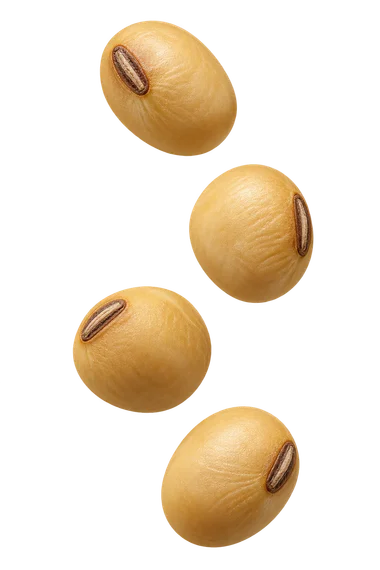
Soybean is native to Southeast Asia and was first cultivated by Chinese farmers in 1100 BC. The cultivation of soybeans in Britain was started in the middle of the 18th century and in America in the middle of the 19th century. Nowadays, this legume is produced industrially on a vast scale. Soybeans are a high-quality source of valuable and digestible oil and are a highly adaptable and multi-purpose crop used worldwide as a source of protein for humans and different species of livestock.
soybean
Soybeans contain anti-nutritional components such as Trypsin inhibitors, Lectins, Tannins, Phytic acids, etc. However, many of these anti-nutritional factors are eliminated during heat processing and oil extraction which makes their inactivation before consumption particularly important. Furthermore, the digestibility of protein and essential amino acids, the amount of rumen-undegradable protein and the stability of oil in soybeans (thanks to Lipase enzyme destruction) would increase during heat processing. Excessive processing can reduce the digestibility of protein and essential amino acids in the products.
Full-fat Soya (FFSB)
Energy (3800 kcal ME/kg) and protein (38%) in one feed ingredient.
No need to add fat to feed.
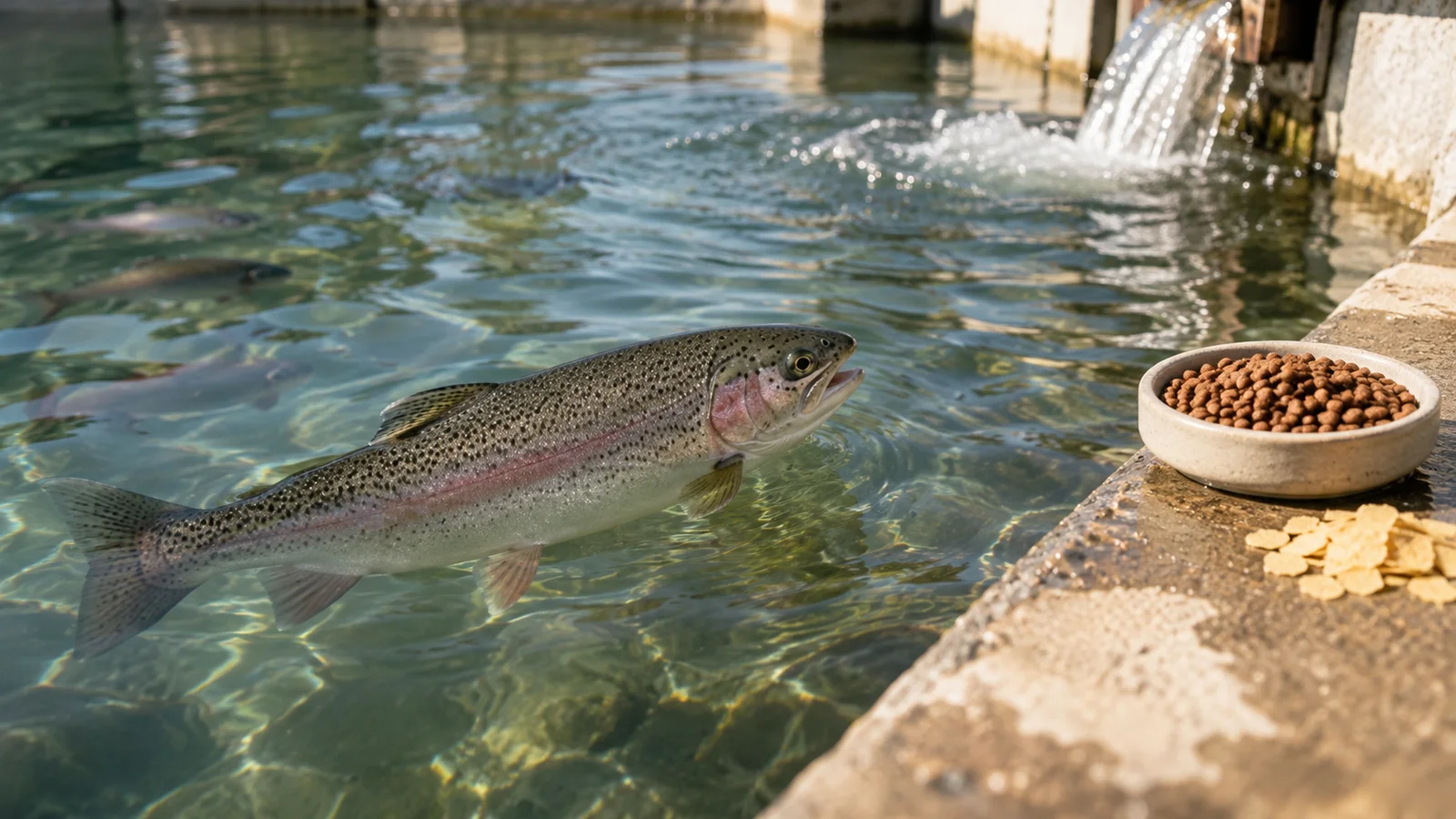
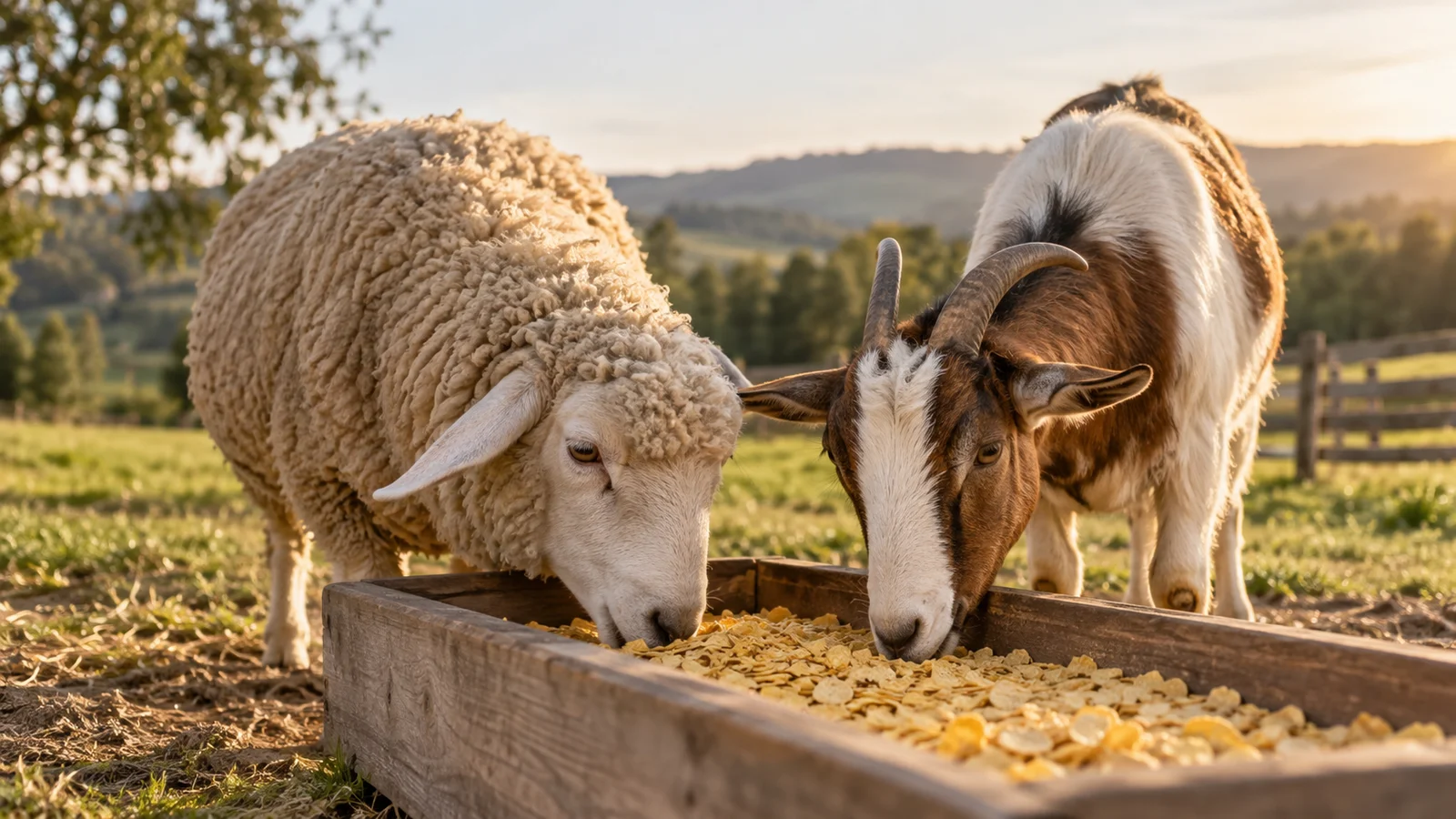
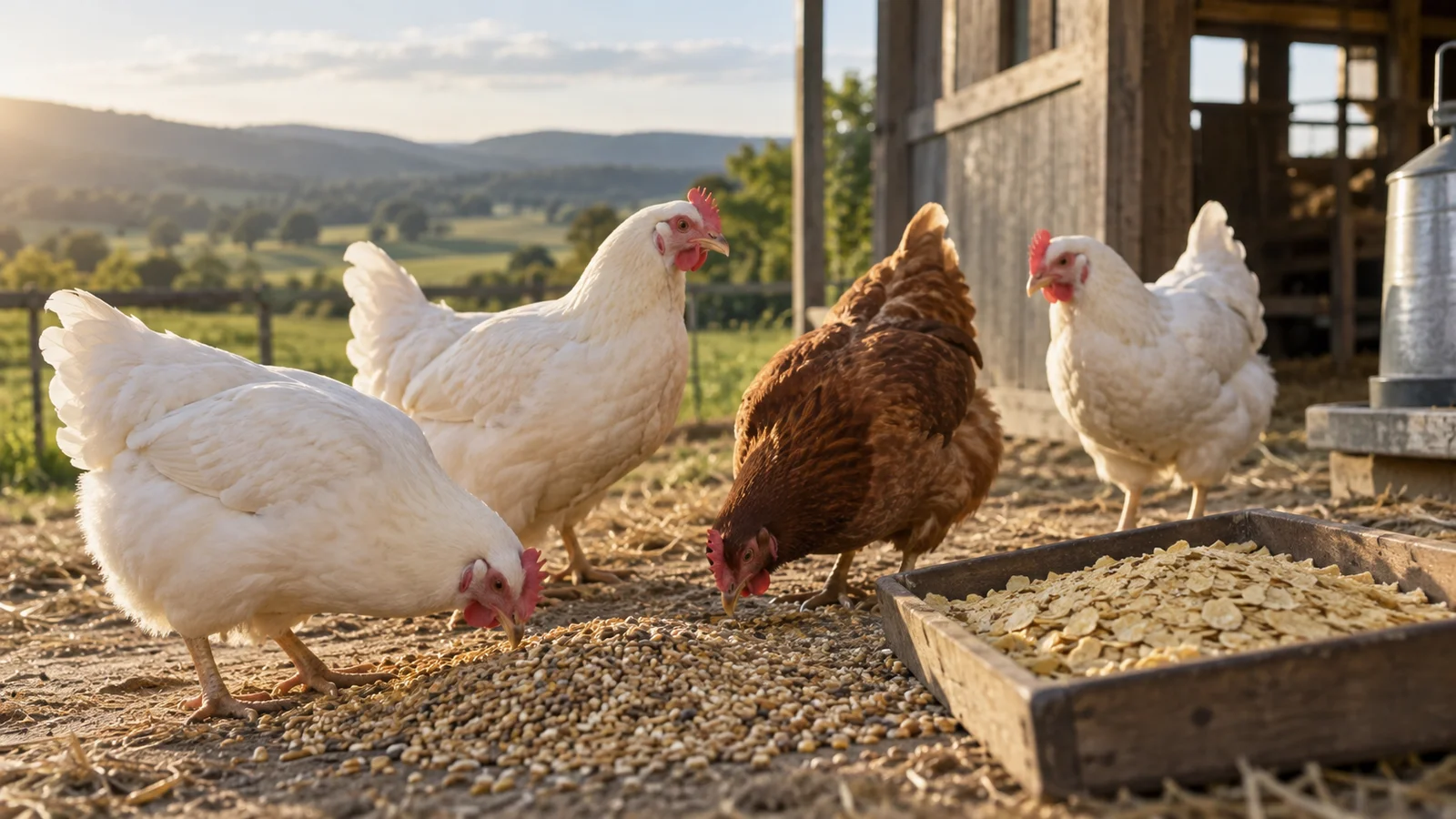
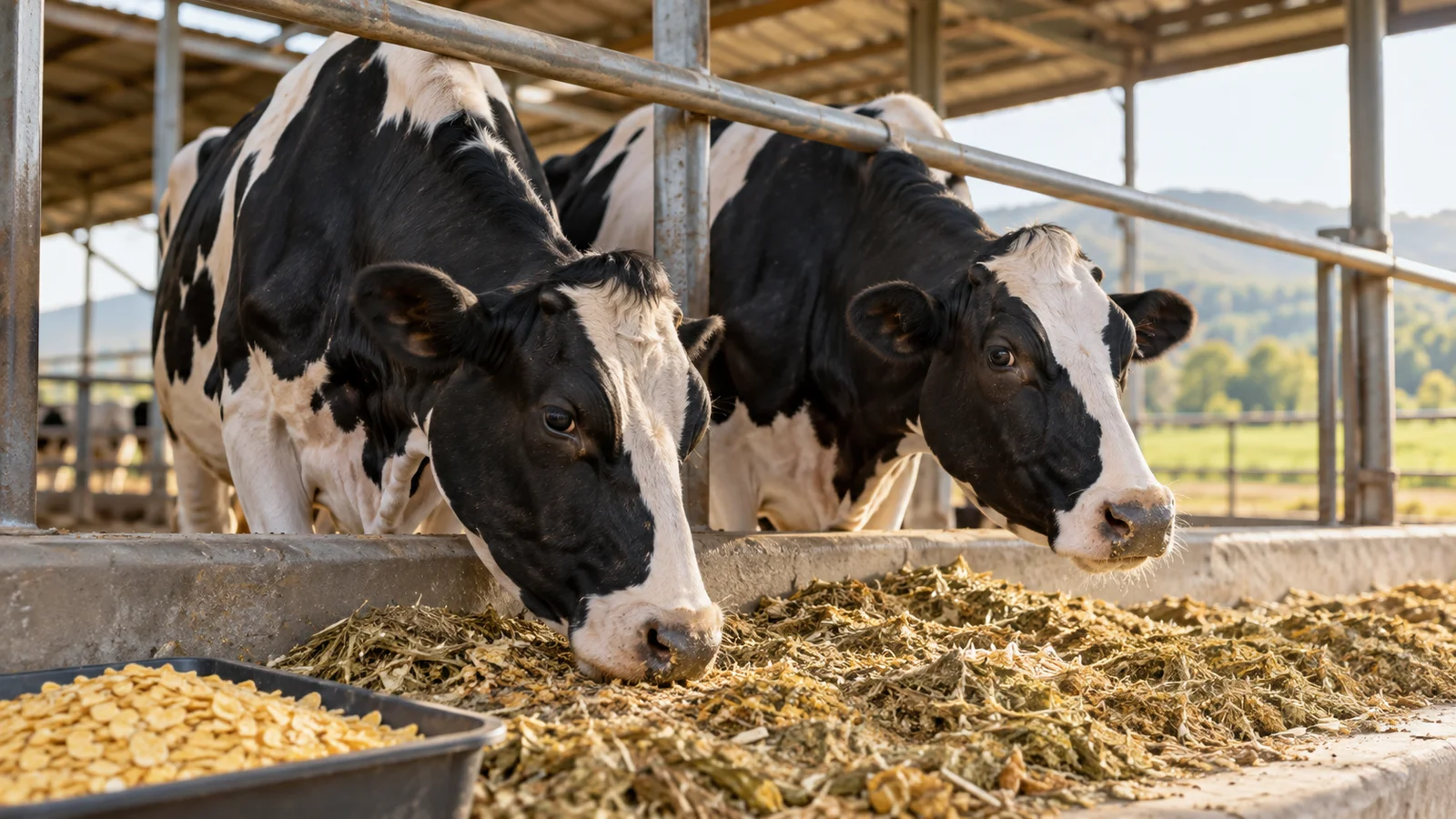
Replaces part of soybean in poultry, Ruminants, Rabbits, and Fish feeds.
Full-fat soya contains only 8% moisture.
Nutritional characteristics of FFSB:
Vitamin E (42 mg/kg)
Lecithin complex (1.5 - 2.5%)
Linoleic acid (9.5 – 10.4%)
Practical consideration in feed formulation:
Easier, cheaper and more accurate inclusion of oil in feeds.
No need for oil tanks, pumps and fat-coating equipment.
Minimal dust level in feed mills and animal buildings.
Enhancement in pelleting ability.
Reduction in wear of machinery.
Improvement in feed appearance.