


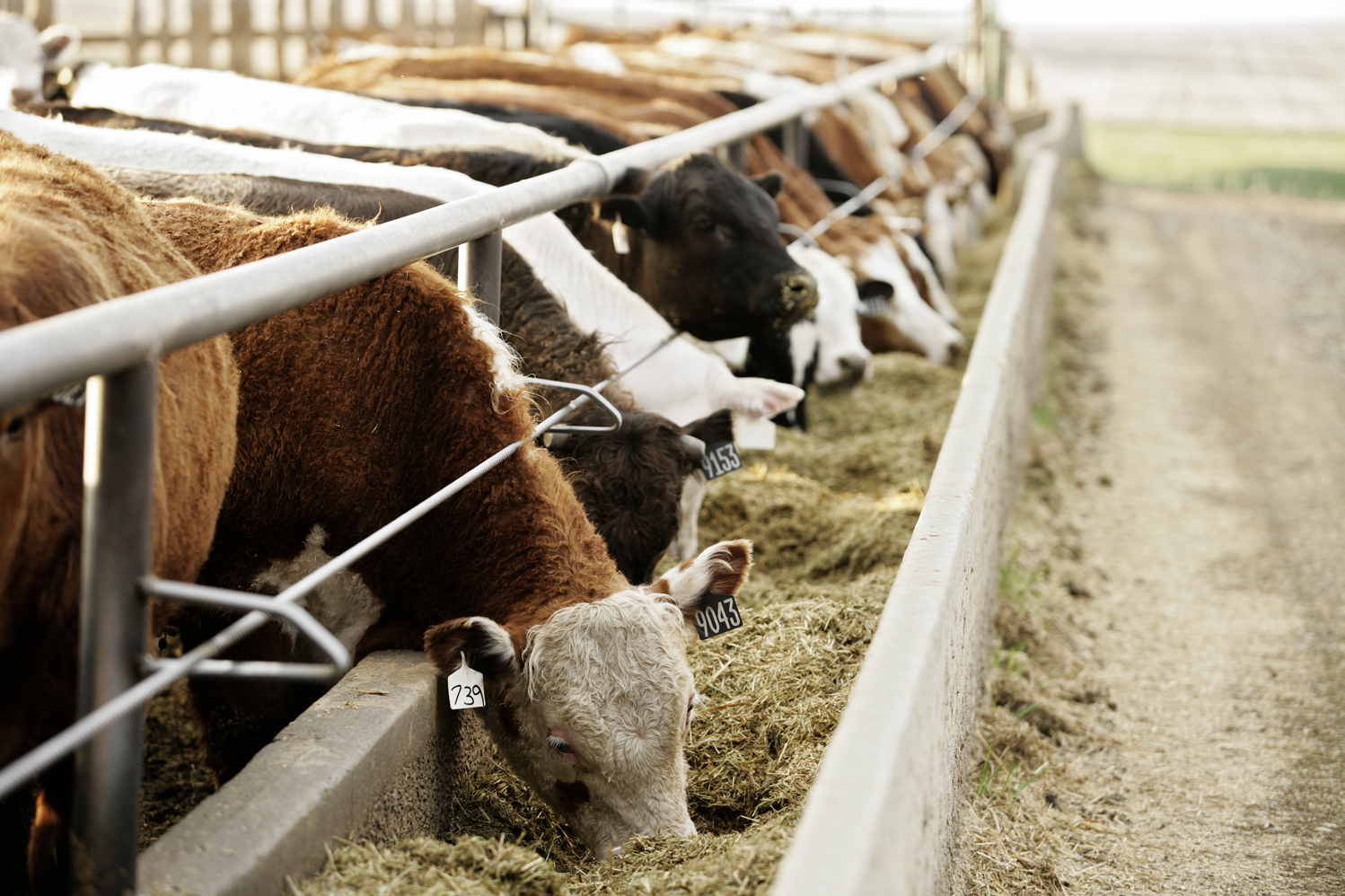
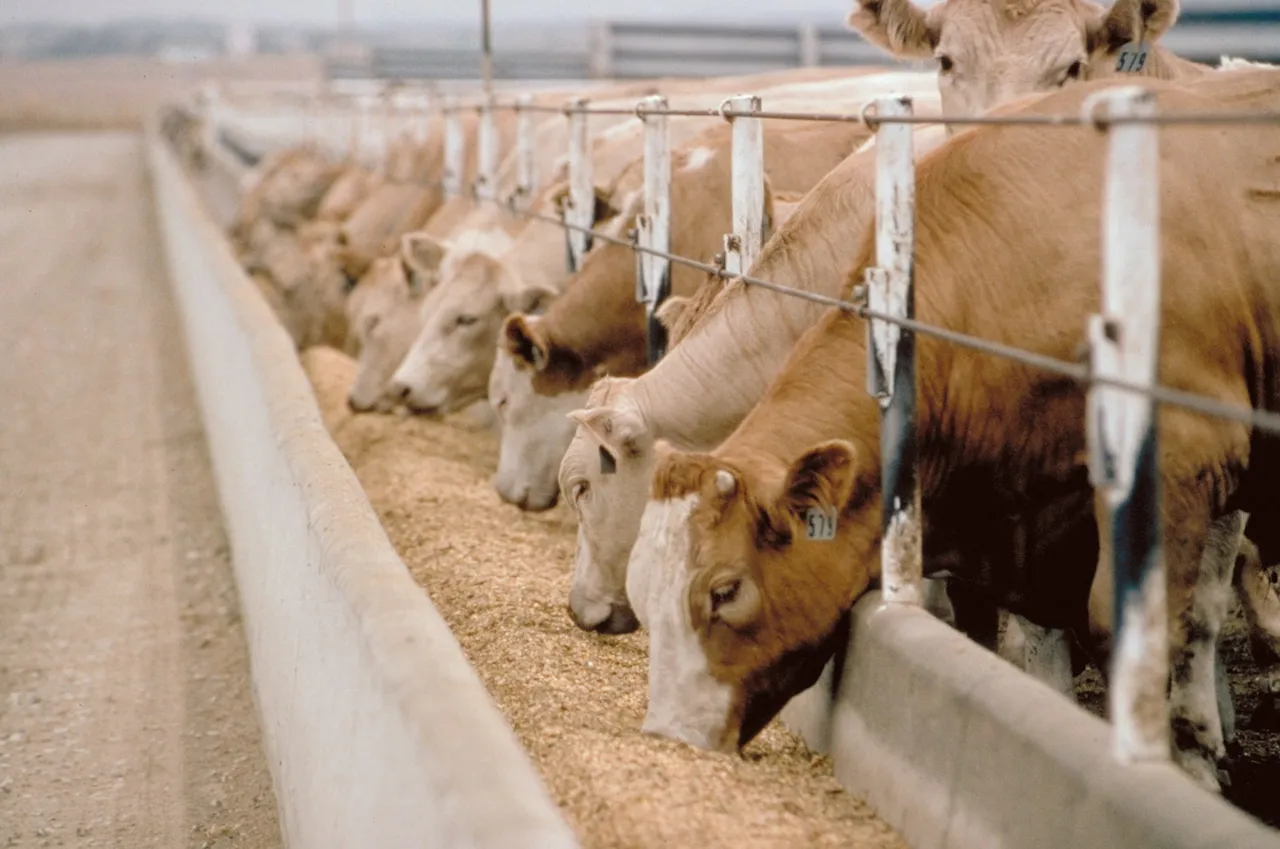
A livestock feedlot is a controlled production system where animals—most commonly beef cattle—are kept in confined pens and fed energy-dense, formulated rations to maximize growth rate, feed efficiency, and carcass quality before slaughter.
Here’s a clean, academic-style overview 👇
What is a Livestock Feedlot?
A livestock feedlot is an intensive finishing system in which animals are housed in open or semi-covered pens and provided with balanced diets based on concentrates (grains, protein meals, by-products) rather than grazing. Feedlots are mainly used during the final fattening phase.
Main Objectives
-
Rapid weight gain
-
Improved feed conversion ratio (FCR)
-
Uniform meat quality
-
Reduced production time
-
Predictable output for the meat industry
Common Animals Raised in Feedlots
-
Beef cattle (most common)
-
Sheep and lambs
-
Goats (less common)
-
Buffalo (region-dependent)
Feeding System
Typical feedlot rations include:
-
Energy sources: corn, barley, sorghum, wheat
-
Protein sources: soybean meal, canola meal, cottonseed meal
-
Roughage (limited): alfalfa hay, straw, silage (5–15%)
-
Feed additives:
-
Minerals & vitamins
-
Buffers (e.g., sodium bicarbonate)
-
Probiotics / postbiotics
-
Ionophores (where legally permitted)
-
Management Components
-
Pen design & stocking density
-
Feed bunk management
-
Water availability and quality
-
Health monitoring & biosecurity
-
Manure handling and environmental control
Advantages
✅ High productivity per unit area
✅ Efficient use of feed resources
✅ Year-round production
✅ Easier health and growth monitoring
Challenges & Concerns
⚠️ Digestive disorders (acidosis, bloat)
⚠️ Animal welfare concerns
⚠️ Environmental impacts (manure, odor, emissions)
⚠️ Dependence on grain prices
Feedlots in Developing Countries (e.g., Iran)
-
Increasing use due to limited pasture
-
Heavy reliance on imported feedstuffs
-
Growing interest in feed efficiency enhancers, including:
-
Fermented feeds
-
Probiotics, postbiotics, paraprobiotics
-
Agro-industrial by-products
-