


Energy supply represents one of the most critical and costly components of livestock and poultry diets, and the selection of concentrated and efficient energy sources plays a decisive role in improving productive performance and economic sustainability of animal production systems. In this context, fat powder has gained considerable attention in recent years as a dense, stable, and versatile energy source for use in a wide range of livestock and poultry rations. Fat powder is commonly produced from animal fats, vegetable oils, or their combinations through specific processing techniques such as spray drying or coating, which enhance physical stability, reduce lipid oxidation, and facilitate handling and uniform incorporation into feed compared with liquid fats.
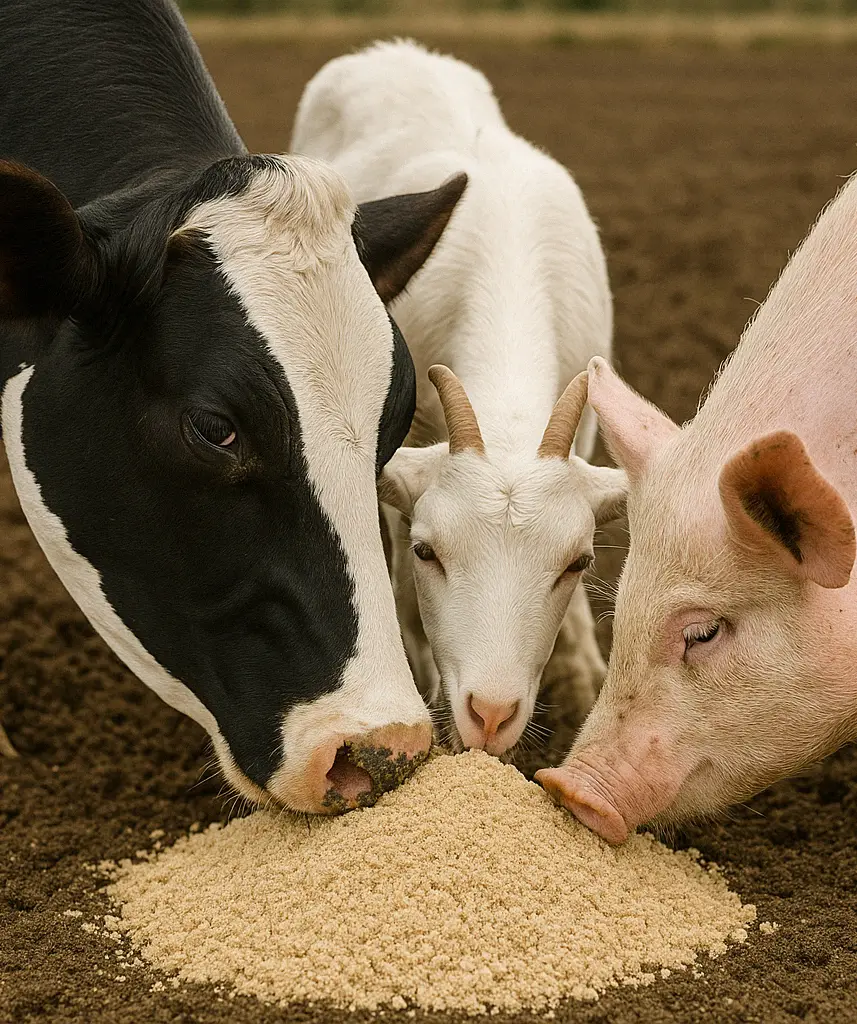
Inclusion of fat powder in animal diets increases dietary energy density, allowing the nutritional requirements of high-producing animals to be met without increasing feed intake. This characteristic is particularly important for high-yielding dairy cows, feedlot cattle during the finishing period, fast-growing broiler chickens, and high-producing laying hens. Numerous studies have demonstrated that the appropriate supplementation of fat powder can improve feed conversion efficiency, increase average daily gain, enhance energy utilization, and ultimately improve the economic profitability of livestock and poultry enterprises. Moreover, dietary fat can slow gastrointestinal passage rate, thereby improving the digestibility and utilization of certain nutrients.
From a physiological perspective, fats generate less metabolic heat compared with carbohydrates, which contributes to alleviating heat stress in animals. Consequently, the use of fat powder under hot climatic conditions or during warm seasons may help maintain feed intake, support metabolic balance, and prevent performance decline in livestock and poultry. This aspect is of particular relevance in tropical and subtropical regions, where heat stress remains a major constraint to animal productivity. In addition, specific fatty acids present in fat powder may exert beneficial effects on cell membrane integrity, immune responses, and the quality of animal products, including milk fat composition, meat quality attributes, and egg lipid profiles.
In ruminant nutrition, the use of rumen-protected or bypass fat powders allows for increased dietary energy supply without negatively affecting rumen fermentation. These protected fat sources can help alleviate negative energy balance during early lactation and reduce the incidence of metabolic disorders such as ketosis, while preserving microbial activity and fiber digestibility in the rumen. In poultry nutrition, dietary fat powder has been associated with improved absorption of fat-soluble vitamins, increased metabolizable energy content of the diet, and enhanced flock uniformity and productive performance.
Despite its numerous advantages, the inclusion of fat powder in animal diets requires careful formulation and appropriate inclusion rates. Excessive dietary fat levels may lead to reduced feed intake, imbalances in fatty acid profiles, impaired fiber digestibility in ruminants, and potential metabolic disturbances. Furthermore, the quality of the fat source, degree of saturation, oxidative status, and processing method are key factors determining the nutritional value and safety of fat powder. Therefore, selecting suitable fat powder sources and adjusting their inclusion according to animal species, age, production stage, and production goals are essential for achieving optimal results.
In conclusion, fat powder can be considered an effective and flexible energy supplement that, when applied based on sound nutritional principles, contributes to optimized feed formulation, enhanced animal performance, improved health status, and increased economic efficiency in livestock and poultry production systems. Further research focusing on optimal inclusion strategies, interactions with other dietary components, and long-term effects on animal health and product quality will support more targeted and sustainable utilization of fat powder in modern animal nutrition.